
Complete Guide to Food Packaging for Malaysian F&B Businesses (2026)
Everything Malaysian F&B operators need to know about food packaging — materials, RM pricing, MOQ, food safety rules, and how to find a reliable supplier in KL.
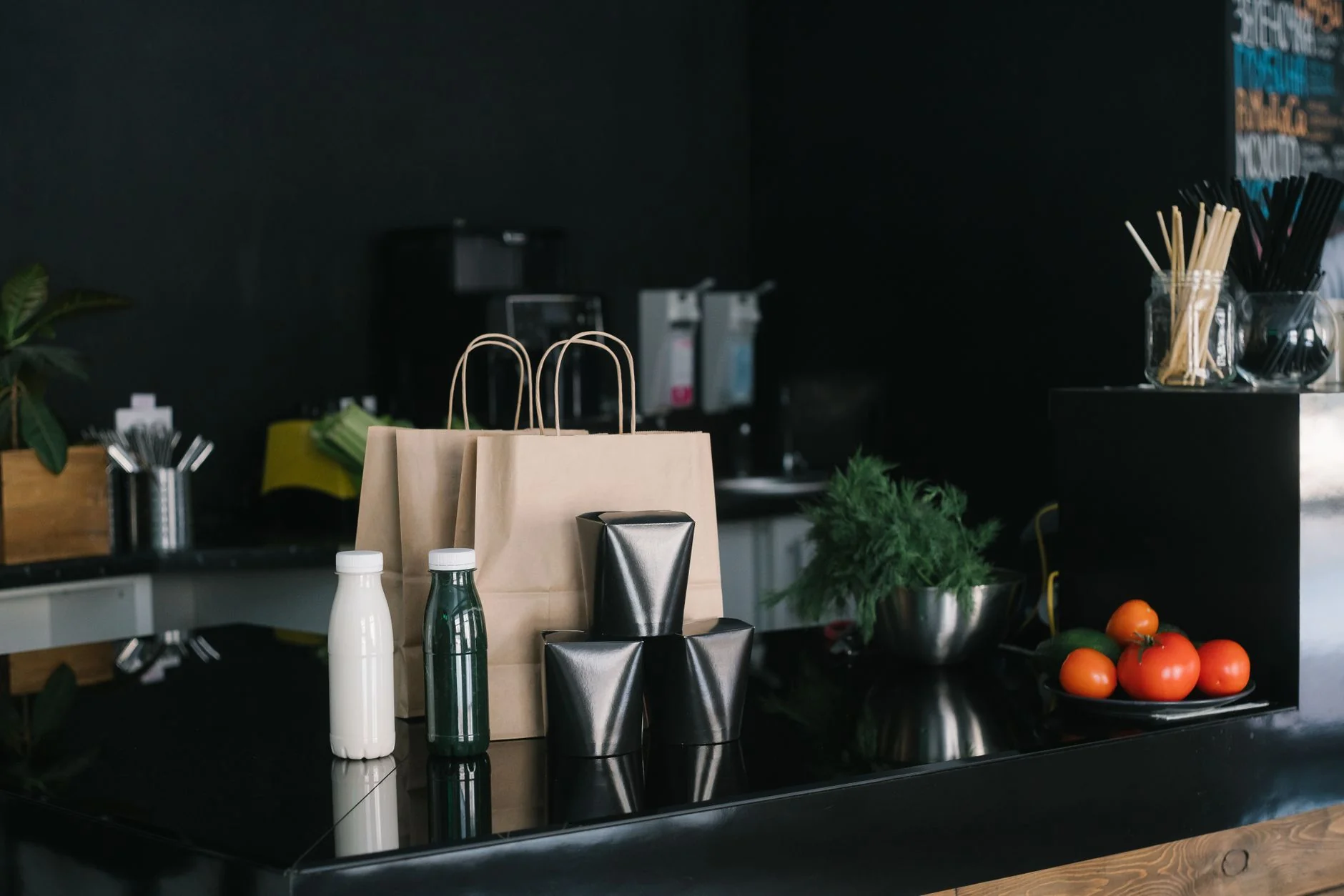
Food packaging in Malaysia covers a wide range of materials and formats — from PP lunch boxes (RM 0.18–0.35/pc) used by hawker stalls, to clamshell takeaway containers for cloud kitchens, to bubble tea cups for beverage operators. CSK STAR Packaging has served 4,000+ F&B businesses across KL and Selangor since 2022, offering same-day delivery from warehouses in Kepong and Kuchai Lama. Based on that experience, the right packaging comes down to three things: your business type, your delivery method, and your order volume. This guide walks you through materials and real RM pricing, MOQ realities, Malaysian food safety requirements, how to evaluate a reliable supplier, and a practical seasonal ordering calendar — everything you need to make smarter packaging decisions for your F&B business.
What Food Packaging Actually Does for Your F&B Business
Most F&B owners think of packaging as a cost. The better way to think about it: packaging is the last touchpoint before your customer eats.
A bak kut teh that arrives in a leaky styrofoam container leaves a different impression than one in a clean, sealed clamshell box. A bubble tea shop with branded cups charges RM 1–2 more per drink than the stall next door — and customers pay it without thinking twice. A central kitchen running GrabFood delivery with sub-standard containers gets bad reviews that have nothing to do with the food.
Packaging affects three measurable things:
- Customer perception — Does the food look worth what they paid?
- Delivery integrity — Does it arrive the same as it left the kitchen?
- Operational efficiency — Are you constantly reordering because you keep running out, or does your stock system work?
Based on our data, more than 70% of F&B businesses that switch suppliers do it for one reason: their previous supplier ran out of stock at the wrong moment — during Ramadan rush, a CNY catering order, or a Friday dinner peak. Reliable supply matters more than price.
Types of Food Packaging Used by Malaysian F&B Businesses
Malaysia’s F&B packaging market is dominated by six main material categories. Each has a different cost profile, food safety characteristic, and best-fit business type.
| Material | Best For | Unit Price Range | Temperature Limit | Food Safety |
|---|---|---|---|---|
| PP (Polypropylene) | Hawker stalls, tapau, economy rice | RM 0.18–0.35 | Up to 120°C | Food-grade PP5 — safe for hot food |
| Clamshell (PS/PP) | Cloud kitchens, GrabFood operators | RM 0.25–0.60 | Up to 80°C | Check for food-grade label |
| Aluminium Tray | Catering, event food, oven-ready meals | RM 0.40–0.90 | Oven-safe | FDA-compliant aluminium |
| Paper Bag / Kraft | Bakeries, retail takeaway, branding | RM 0.30–0.80 | Cold/ambient | Food-safe ink required |
| Bubble Tea Cup (PET/PP) | Beverage shops, boba, smoothie bars | RM 0.12–0.28 | Cold only | BPA-free for cold drinks |
| Bagasse / Sugarcane | Eco-conscious cafes, hotel catering | RM 0.45–0.90 | Up to 90°C | Compostable, food-safe |
What this means in practice: A hawker stall tapau-ing rice and lauk will almost always use PP lunch boxes — cheap, hot-food safe, stackable. A cloud kitchen running GrabFood delivery needs leak-proof clamshell containers because the food travels 15–30 minutes in a rider’s bag. A mamak stall running high volume takeaway may use foam containers for cost, though these are being phased out in some KL areas. A cafe with branding aspirations invests in kraft paper bags.
Price ranges above are per-unit at 1-carton MOQ. Bulk pricing (5+ cartons of same SKU) typically drops 10–20%.
How to Choose the Right Packaging for Your Business Type
Your business type, food type, and service model should drive every packaging decision. Here’s a practical breakdown:
Hawker Stalls and Gerai Operators
You need: affordable, hot-food-safe containers that can handle rice, lauk, soups, and noodles. PP lunch boxes in 500ml, 750ml, and 1000ml are the standard. Pair with PP spoons, plastic bags for soup, and paper bags for carrying multiple orders.
Average monthly spend: RM 200–500 for a single-outlet hawker stall.
Cafes and Kopitiams
You need: a mix of hot drink cups (PP or paper), cold drink cups (PET), takeaway bags (kraft or non-woven), and food containers for pastries or sandwiches. Cafes with stronger branding often invest in custom-print paper cups and bags — the margin per unit is higher and customers photograph them.
Restaurants (1–5 outlets)
Dine-in restaurants add takeaway packaging as a revenue channel, not the primary one. You need: clamshell containers for main dishes, soup containers with lids, paper bags, and cutlery sets. If you’re doing GrabFood, leak-proof is non-negotiable — a 4-star review mentioning “soup spilled in the bag” costs more than the packaging savings.
Cloud Kitchens and Dark Kitchens
You need the highest-integrity containers in this list. Every order leaves your kitchen in a bag, travels 10–45 minutes in a motorbike box, and arrives without you watching. Leak-proof clamshells, sealed soup cups, double-bag procedures for gravies, and tamper-evident seals (for premium operators) — all of these reduce bad delivery reviews.
Cloud kitchens account for roughly 15% of CSK’s customer base and consistently order the widest range of container sizes because menus change more often than other business types.
Central Kitchens and Catering Businesses
You need high-volume, stackable containers that are oven-safe or heat-lamp compatible. Aluminium trays (full-size, half-size, and steam table trays) are the workhorse here. You also need more aggressive pre-ordering — a catering company with a 500-pax function in two weeks needs stock confirmed now, not on event day.
During Ramadan, we see consistent 50%+ uplift in aluminium tray and takeaway box orders from catering businesses. The operators who never face stock-outs are the ones who pre-order 4–6 weeks ahead of peak season.
Bubble Tea and Beverage Shops
You need: PET cold cups (90mm or 95mm mouth depending on your cup sealer machine), round dome lids or flat sealer lids (must match your machine), PP spoons or boba straws. One critical check: confirm the lid size matches your cup mouth diameter before ordering. A mismatch means you cannot seal — a full carton of cups becomes unusable.
MOQ, Pricing, and Ordering — What Malaysian F&B Owners Should Know
MOQ (minimum order quantity) is one of the most misunderstood parts of food packaging in Malaysia. Here’s what to expect:
Typical MOQ by product:
- PP lunch boxes: 1 carton = 50–100 pcs
- Clamshell containers: 1 carton = 50–200 pcs (varies by size)
- Paper bags: 1 carton = 100–500 pcs
- Bubble tea cups: 1 carton = 100 pcs
- Aluminium trays: 1 carton = 50–100 pcs
At CSK, minimum order value is RM 100 — which typically means 1–3 cartons depending on what you’re ordering. This is intentional: we serve single-outlet hawker stalls alongside large central kitchens, and forcing a small stall to buy 10 cartons of one SKU creates dead stock that hurts cash flow.
How pricing works:
- List price = single-carton unit price
- Volume discount = 10–20% for 5+ cartons of same SKU
- Freight = varies by area; KL/Selangor usually absorbed at certain order thresholds
Reorder frequency: The average CSK customer reorders every 14 days. This is important context for how to think about your stock level. If you wait until you’re completely out before ordering, you’re a 24-hour emergency away from running out mid-service. A simple rule: when stock drops to 30% of your normal par level, order. This gives you 4–5 days of buffer even if delivery is delayed.
Managing your packaging spend:
| Business Size | Typical Monthly Spend | Recommended Reorder Cycle |
|---|---|---|
| Single-outlet hawker / stall | RM 200–500 | Bi-weekly |
| Cafe (1–2 outlets) | RM 400–800 | Bi-weekly |
| Restaurant (delivery-focused) | RM 500–1,500 | Weekly |
| Cloud kitchen (3+ menus) | RM 800–2,000 | Weekly |
| Central kitchen / catering | RM 2,000+ | Pre-season bulk + weekly top-up |
Food Safety Requirements for F&B Packaging in Malaysia
Not all packaging is food-safe. This matters more than most operators realise — MOH (Ministry of Health Malaysia) regulates food contact materials, and using the wrong packaging can create both health and legal exposure.
What “food-grade” means:
Food-grade packaging means the material does not leach harmful chemicals into food under normal use conditions. For plastics, look for the resin identification code:
- PP (5) — Polypropylene. Hot and cold food safe. Most common in Malaysian F&B.
- PET (1) — Cold drinks only. Do not use for hot food or microwave.
- PS (6) — Polystyrene (styrofoam). Technically food-grade when used correctly, but under review in several KL local authorities for single-use restrictions.
- HDPE (2) — Common for lids and caps. Food-safe.
What to avoid:
- Recycled plastic containers for hot food — recycled material certification is harder to verify
- Unlabelled containers from unknown sources — no traceability if there’s a complaint
- Black plastic containers for dark-coloured foods — some black plastics use carbon black pigments not certified for food contact
MOH Compliance: Under Malaysia’s Food Act 1983 and Food Regulations 1985, food packaging that comes into direct contact with food must not transfer substances to the food in quantities that could endanger human health. In practice, purchasing from established suppliers who source from certified manufacturers covers this requirement. When in doubt, ask your supplier for the food safety certificate for that SKU.
How to Find a Reliable Food Packaging Supplier in Malaysia
Price is the first thing most F&B operators compare. It should be the last. Here is why: a supplier who is RM 0.02/unit cheaper but runs out of clamshell containers every time Hari Raya approaches will cost you far more in lost sales and emergency last-minute sourcing than you saved on unit price.
The 7-Point Supplier Evaluation Checklist:
Use this the next time you’re evaluating a new supplier — or reassessing your current one:
- Stock reliability — Can they commit to stock availability across your peak seasons (Ramadan, CNY, school holidays, public holidays)? Do they hold safety stock or drop-ship from a factory?
- MOQ flexibility — Can you trial a new product at 1 carton without committing to a full pallet? Important for testing new menu items.
- Same-day or next-day delivery — If you run out unexpectedly, how fast can they reach you? CSK delivers same-day within KL and Selangor via Lalamove and own fleet.
- Product range breadth — Can you buy all your packaging SKUs from one supplier? Consolidating suppliers reduces admin, delivery coordination, and minimum order fragmentation.
- Price transparency — Are prices stable? Do they notify you before price changes, or do you find out on the invoice?
- Food safety certification — Can they provide documentation on request that the products are food-grade?
- Communication responsiveness — When you WhatsApp at 9pm because you’re running low, do they respond before your next opening?
The #1 complaint we hear from new customers switching to CSK is that their previous supplier ran out of stock during peak — often without any warning. Stock reliability is the factor that matters most, even if it is the hardest to verify before you experience it firsthand.
Seasonal Demand and Pre-Ordering Strategy for Malaysian F&B Businesses
Packaging demand in Malaysia is not flat throughout the year. Every F&B operator who has been in business for more than one cycle knows that certain months spike demand dramatically — and suppliers who are not prepared run out.
Here is what CSK’s order data shows across peak seasons:
| Season | Demand Uplift | Top Products | Pre-Order Lead Time |
|---|---|---|---|
| Ramadan (dates shift annually) | ~50% above baseline | Takeaway boxes, paper bags, aluminium trays | 6 weeks before Ramadan start |
| Chinese New Year | ~150% above baseline | Gift box packaging, decorative paper bags, cookie boxes | 8 weeks before CNY |
| Hari Raya Aidilfitri | ~120% above baseline | Cookie tins/boxes, gift packaging, paper bags | 6 weeks before Raya |
| School holidays | ~20% above baseline | General takeaway containers (family dining spike) | 2 weeks ahead |
| Merdeka / Malaysia Day events | Moderate spike (event catering) | Aluminium trays, takeaway boxes, paper bags | 3–4 weeks before |
The Ramadan uplift of ~50% surprises most new operators — many assume it’s 2–3× baseline because buka puasa is a peak dining moment. The reality is more moderate but very consistent: buka puasa delivery orders and catering functions increase steadily across the full month, rather than in a single spike.
Pre-ordering strategy:
- Identify your peak seasons — which months does your business get busiest? Note them.
- Calculate your normal bi-weekly usage — how many cartons of each SKU do you order in a normal 2-week period?
- Multiply by uplift factor — if you normally use 5 cartons of clamshell containers per 2 weeks, order 8 for the first 2 weeks of Ramadan and keep a 2-carton safety buffer.
- Place the pre-season order 4–6 weeks out — not 1 week before, when every other F&B operator is also scrambling.
- Confirm stock availability with your supplier in advance — a verbal confirmation that “we have stock” is not the same as a confirmed allocation.
The operators who never run out during peak seasons are not the ones with more cash — they are the ones who plan. The ones who run out are the ones who assumed their supplier would always have stock because they always had it before.
Regional Packaging Suppliers in KL and Selangor
If you’re running an F&B business in Klang Valley, here’s where to look:
- Kepong — CSK’s main warehouse services the Kepong, Sri Damansara, Sentul, Batu Caves, and Rawang corridor. Food packaging supplier in Kepong →
- Kuchai Lama — Our second warehouse covers Kuchai Lama, Old Klang Road, Puchong, Bukit Jalil, and Sri Petaling. Food packaging supplier in Kuchai Lama →
- PJ, Cheras, Klang, Subang — Same-day delivery to all these areas from either warehouse.
For businesses outside KL/Selangor, next-day delivery is available to most Peninsular Malaysia addresses.
What “Wholesale” Actually Means for F&B Packaging in Malaysia
The word “wholesale” means different things to different suppliers. Some require you to register as a reseller. Others just mean they sell in carton quantities. At CSK, wholesale pricing is accessible to any F&B business — you don’t need to be a distributor or buy a pallet.
Real wholesale pricing in Malaysian food packaging:
| Product | Street Price (single pack) | CSK Wholesale (1 carton) | Savings |
|---|---|---|---|
| PP lunch box 750ml | RM 0.50–0.80/pc | RM 0.18–0.25/pc | ~60% |
| Bubble tea cup 16oz | RM 0.60–0.90/pc | RM 0.18–0.28/pc | ~65% |
| Paper bag medium | RM 1.20–2.00/pc | RM 0.40–0.60/pc | ~65% |
| Clamshell container | RM 0.80–1.20/pc | RM 0.25–0.45/pc | ~65% |
The difference between buying packaging from a convenience supplier and buying wholesale is significant at volume. A hawker stall using 30 PP lunch boxes per day spends ~RM 270–360/month at retail price. The same boxes at wholesale cost RM 90–120. Over 12 months: RM 2,160–2,880 in savings — enough to cover 6–7 months of rent for many stalls.
FAQ
What types of food packaging are most commonly used in Malaysia?
PP (polypropylene) lunch boxes are the most common — used by hawker stalls, economy rice shops, and tapau businesses across Malaysia. Clamshell containers are second, popular with cloud kitchens and GrabFood operators. Bubble tea cups (PET/PP), paper bags, and aluminium trays round out the top five by order volume in Malaysia.
How much does food packaging cost in Malaysia?
Unit costs vary by material and MOQ. PP lunch boxes: RM 0.18–0.35/pc. Clamshell containers: RM 0.25–0.60/pc. Bubble tea cups: RM 0.12–0.28/pc. Paper bags: RM 0.30–0.80/pc. Most single-outlet F&B businesses spend RM 200–500/month on packaging at wholesale prices.
What is the MOQ for food packaging in Malaysia?
Most suppliers sell by the carton. A carton is typically 50–200 pieces depending on the product. CSK’s minimum order value is RM 100, which usually covers 1–3 cartons. There is no minimum carton requirement — you can mix products within your order.
Is there a food safety rule for packaging used in Malaysia?
Yes. Under Malaysia’s Food Act 1983 and Food Regulations 1985, food contact materials must not transfer harmful substances to food. Look for food-grade certification (PP5 for plastics, FDA or EU food-contact compliance for aluminium). Avoid unbranded, uncertified containers especially for hot food.
Where can I buy food packaging wholesale in KL?
CSK STAR Packaging PLT operates warehouses in Kepong and Kuchai Lama, serving all of KL and Selangor with same-day delivery. WhatsApp +6011-5406-5240 to order. Online ordering is also available. Minimum order RM 100.
How often should I reorder packaging for my F&B business?
Most F&B businesses reorder every 7–14 days. A practical rule: reorder when you reach 30% of your normal stock level. This gives you 4–5 days of buffer even if delivery takes 1–2 days. Pre-ordering 4–6 weeks before peak seasons (Ramadan, CNY, Hari Raya) prevents stock-outs during your highest-demand period.
Ready to Order? WhatsApp Us
CSK STAR Packaging PLT serves 4,000+ F&B businesses across KL and Selangor. Same-day delivery to Kepong, Kuchai Lama, PJ, Cheras, Klang, Shah Alam, Subang, and surrounding areas.
Tell us your business type and what you need — we’ll recommend the right packaging and confirm stock availability.
👉 WhatsApp CSK now — reply usually within 1 working hour during business hours.
Jayson Phang is the co-founder of CSK STAR Packaging PLT. Since 2022, CSK has served 4,000+ F&B businesses across Malaysia, supplying disposable food packaging with same-day delivery from warehouses in Kepong and Kuchai Lama.
Ready to upgrade your F&B packaging?
WhatsApp Us Now →