
Complete Guide to Food Packaging for Malaysian F&B Businesses
Everything Malaysian F&B owners need to know about food packaging — types, materials, MOQ, supplier selection, and how to avoid costly mistakes. By CSK Packaging.
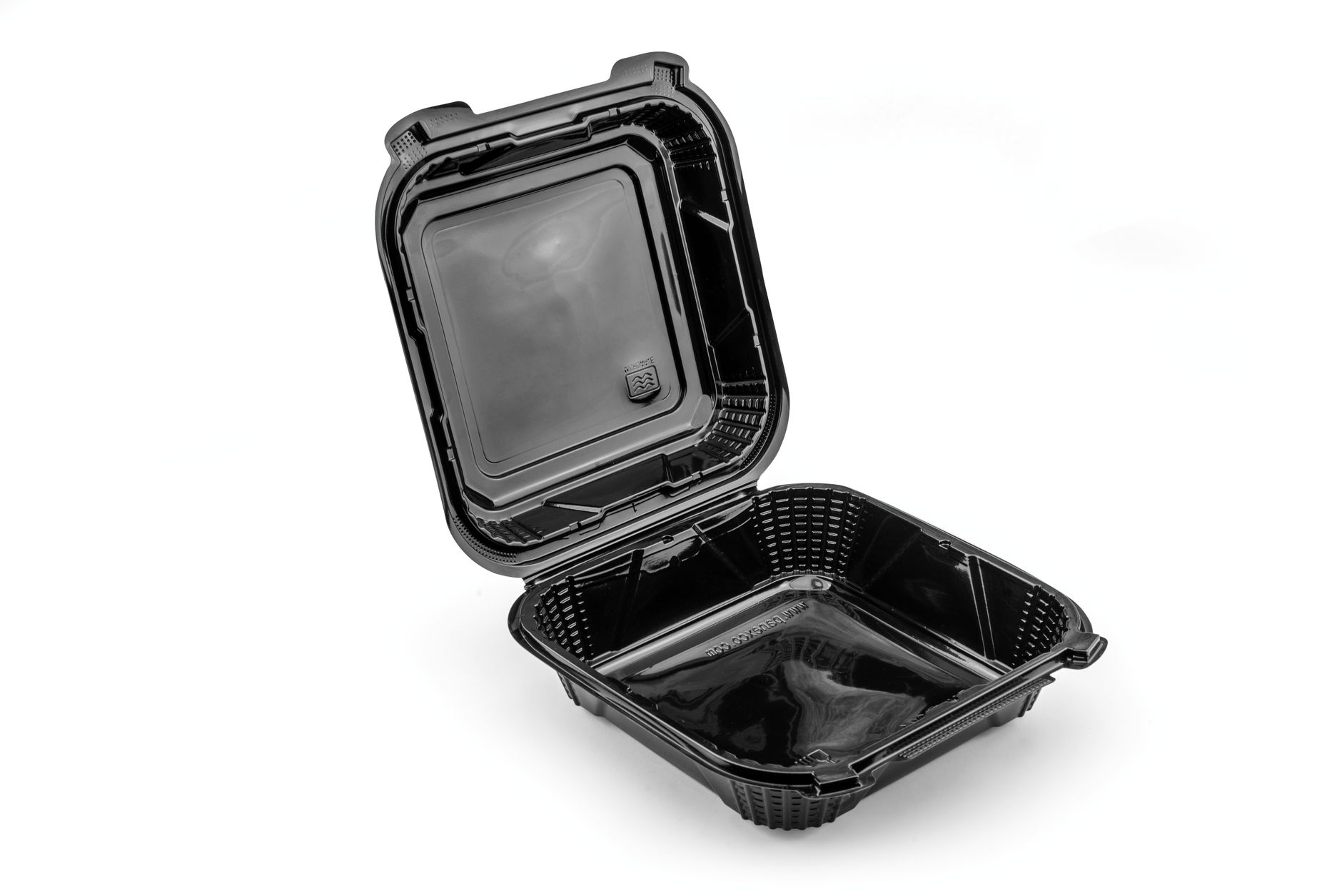
If you run an F&B business in Malaysia — a restaurant, cafe, hawker stall, cloud kitchen, or beverage shop — packaging is one of those things you only think about when it goes wrong.
The takeaway bag leaks. The container pops open during delivery. You run out of cups at 7pm on a Friday. Your customer posts a photo of soggy food and your packaging is in the frame.
This guide is for owners who want to get packaging right before it becomes a problem. We cover everything: materials, business-type matching, MOQ, what to look for in a supplier, and the mistakes we see most often across our 4,000+ F&B customer base in Klang Valley.
1. Why Food Packaging Is More Than Just a Box
Most F&B owners treat packaging as a cost to minimize. That framing causes problems.
Here’s the real way to think about it: packaging is the last physical touchpoint between your food and your customer. For dine-in restaurants, that moment is the table. For delivery brands and tapau businesses, the packaging IS the experience.
A 27-sen container that leaks costs you a 1-star review, a refund request, and potentially that customer for life. The math on “cheap packaging” rarely works out.
The businesses that get packaging right treat it as part of their product — not separate from it. They standardize early, find one reliable supplier, and build it into their SOP. The ones that struggle are always reactive: ordering last-minute from whoever has stock, switching containers every few months based on price, and dealing with inconsistency across outlets.
What your packaging actually does for your business:
- Protects food quality during delivery and tapau (leak-proof, heat retention, structural integrity)
- Represents your brand — customers remember the unboxing before they remember the taste
- Signals price tier — a RM35 nasi lemak set in a flimsy styrofoam looks wrong; a RM8 kopitiam noodle in kraft paper looks premium
- Enables delivery operations — the wrong packaging kills your Grab/Foodpanda ratings
2. Types of Food Packaging Used by Malaysian F&B Businesses
Before buying anything, understand what you’re choosing between. Malaysian F&B businesses typically use these packaging categories:
Takeaway Containers & Lunch Boxes
| Material | Best For | Price Range (est.) | Notes |
|---|---|---|---|
| PP (Polypropylene) — standard | Hot food, high-volume tapau | RM0.15–0.20/unit | Most common. Microwave-safe. Doesn’t warp with heat. Thermoformed/blow-moulded. |
| PP injection (lunchbox) | Bento-style meals, premium tapau | RM0.30–0.40/unit | Thicker walls, locking lids. Noticeably more rigid than standard PP. Higher cost but better perceived quality. |
| PE (Polyethylene) | Cold food, salad, desserts | RM0.06–0.15/unit | Flexible. Lower heat resistance than PP. |
| Foam (EPS) | Budget operations, dry food | RM0.04–0.09/unit | Cheapest. Not eco-friendly. Heat retains well but leaks liquid. |
| Bagasse (sugarcane fibre) | Eco-conscious brands, premium cafes | RM0.25–0.60/unit | Biodegradable. Holds up to wet food well. Higher cost. |
| Kraft paper box | Nasi lemak, pastries, dry meals | RM0.15–0.40/unit | Good branding surface. Not suitable for wet/gravy dishes. |
CSK insight: PP clamshell containers and kraft paper boxes are our highest reorder items by volume. Businesses that switch away from PP usually come back — it holds heat, stacks cleanly, and the per-unit cost stays manageable at volume.
Cups & Beverages
| Type | Best For | Notes |
|---|---|---|
| PP cups (clear) | Bubble tea, cold drinks | Needs sealing film — make sure your sealer fits the cup diameter |
| Paper cups | Hot drinks (kopi, teh, americano) | Comes with or without PE lining — check for compostable options |
| PET cups | Cold drinks, premium presentation | High clarity. Slightly more expensive than PP. |
Common mistake: Bubble tea operators often buy cups without confirming their sealing film fits. Cup diameter (90mm, 95mm, 98mm) must match sealing machine spec. We get calls about this weekly.
Bags
| Type | Best For | Notes |
|---|---|---|
| OPP bags | Bread, pastries, snacks | Clear. Lightweight. No handle. |
| HDPE plastic bags | General tapau, hawker standard | Durable. Handles. Most common at pasar malam level. |
| Kraft paper bags | Cafe, premium bakery, branding | Good for customization. Not wet-food safe without lining. |
| Non-woven bags | Catering, gift hampers | Reusable perception. Higher cost. |
Cutlery, Napkins & Accessories
Often forgotten until you’re about to close an order. Spoons, forks, straws, sauce cups, napkins, sealing labels, and toothpicks are all part of a complete packaging setup. For delivery businesses especially, every missing accessory is a 1-star waiting to happen.
3. Matching Packaging to Your F&B Business Type
Not all F&B businesses need the same packaging. Here’s how to match your core setup to your operation:
Hawker Stall / Gerai / Pasar Malam
Priority: Low cost per unit, functional, handles wet food.
Core items needed:
- HDPE plastic bags (small + large) — standard ikat tepi bags for most tapau orders
- Foam or PP containers for rice/noodle dishes
- PP cups for drinks (more cost-effective than paper cups for this crowd)
- Disposable spoons + forks
MOQ reality: Most hawkers buy small quantities frequently. Look for suppliers with no minimum or low MOQ on staples — you don’t have space to store 3,000 containers.
Kopitiam / Mamak
Priority: Speed during peak hours, leak-proof for liquids, heat retention.
Core items:
- PP containers (multiple compartment sizes)
- PP cups or HDPE bags for drinks and tapau orders (cost-effective for high-volume operations)
- Plastic bags for tapau orders
- Sauce cups for condiments
Peak hour note: Kopitiam operations often hit 200–400 tapau orders on weekend mornings. Running out of containers during a peak = lost revenue and stressed staff. Minimum 2 weeks of buffer stock recommended.
Cafe / Specialty Coffee
Priority: Brand presentation, sustainability narrative, premium feel.
Core items:
- Hot cup (paper, branded or white)
- Cold cup (PET or PP, clear)
- Paper bags (kraft for takeaway)
- Pastry boxes or kraft paper wraps
Branding note: Cafes benefit most from plain-white cups and boxes — easy to add a sticker, stamp, or custom print without committing to a large MOQ custom order. Start generic, brand when volume justifies it.
Cloud Kitchen / Delivery Brand
Priority: Leak-proof, delivery-durable, GrabFood/Foodpanda presentation.
Core items:
- PP or bagasse containers (flat lid for stacking in delivery bags)
- Paper bags or plastic carrier bags (fit GrabFood thermal bag dimensions)
- Tamper-evident labels or stickers
- Individual sauce cups with lids
- Cutlery per order (fork/spoon/napkin set)
CSK insight: Cloud kitchen operators typically need 3–4x more SKU variety than dine-in restaurants of the same size. Multi-concept kitchens running different menus under one roof should maintain separate packaging setups per brand to avoid cross-contamination in presentation.
Central Kitchen / Food Production
Priority: Bulk quantities, consistency, food safety compliance, labelling requirements.
Core items:
- Vacuum seal bags or food-grade pouches
- PP or PE containers in standardized sizes
- Sealing film + machines
- Labelling materials (ingredient declarations, batch codes)
Regulatory note: Food packaging that comes into direct contact with food must comply with Food Act 1983 and Food Regulations 1985. Reputable suppliers will have certifications or can confirm food-contact safety for their materials.
4. Understanding MOQ and Wholesale Pricing in Malaysia
MOQ (minimum order quantity) is one of the most misunderstood concepts in packaging purchasing for small F&B businesses.
How MOQ Works
Most packaging manufacturers and distributors set MOQ per SKU (per container type/size). Common structures:
- Factory direct: MOQ typically 5,000–10,000 units per SKU. Lower per-unit cost but requires significant storage space and upfront capital — rarely practical for SME operators unless turnover justifies it.
- Distributor/wholesaler: MOQ 50–500 units per SKU. Higher per-unit cost but accessible for small operators.
- Retail (Lotus’s, Mr DIY, packaging shops): No MOQ but retail pricing — often 3–5x wholesale cost.
What This Means for Your Business
If you run a single cafe doing 80 covers/day with tapau, you might use 40 containers and 50 cups daily. At that volume:
- Monthly container usage: ~1,200 units
- Monthly cup usage: ~1,500 units
- Ideal order: monthly or bi-monthly, at distributor MOQ
You don’t need to buy in factory quantities to get good pricing. A packaging distributor serving F&B businesses (not industrial buyers) will price competitively at volumes that make sense for a 1–3 outlet operation.
Pricing Signals to Watch
| Situation | What It Means |
|---|---|
| Price drops significantly at 500 units | That’s the real MOQ — smaller quantities are inflated |
| No price list available | Unclear margin practices — get a written quotation |
| Price too far below market | Check material quality — wall thickness, lid fit, leak test |
| Price changes frequently | Supply chain volatility or poor stock management on supplier side |
CSK practice: We maintain published pricing per SKU with volume tiers clearly stated. No surprises when your bill arrives.
5. What to Look for in a Food Packaging Supplier in Malaysia
Most F&B businesses use 2–3 packaging suppliers — one main, one backup, one for specialty items. Over time, this creates inconsistency, price variance, and coordination headaches.
The move toward a one-stop supplier happens when businesses grow past 2 outlets or when a stockout finally costs them enough to care.
Here’s what to evaluate when choosing a supplier:
1. Stock Availability (Not Just Price)
Can they fulfill your order on short notice? Ask: “If I need 500 PP containers by tomorrow afternoon, can you do it?” The answer tells you more than any price list.
Ready stock suppliers have inventory on hand. Made-to-order suppliers will quote you lower prices but can’t save you when you run out on a Friday night.
2. Delivery Coverage and Schedule
Does the supplier service your area? What’s the cut-off for same-day delivery? What days do they deliver to your zone?
For multi-outlet operations: do they deliver to all your locations, or do you need to coordinate pickups?
3. Product Range (One-Stop vs Specialist)
A one-stop supplier can consolidate your purchasing — containers, cups, bags, cutlery, gloves, napkins, and accessories in one order. This reduces coordination overhead and often gets you better terms as a consolidated buyer.
Specialist suppliers may have better pricing on specific items but create complexity at scale.
4. Consistent Quality Across Orders
The 8mm wall thickness you tested on the sample should match the 5th shipment. Inconsistency in material spec is a real problem with lower-tier distributors who source from multiple manufacturers.
Ask: “Do you guarantee consistent specification across reorders?” If they can’t answer specifically, it’s a risk.
5. Responsiveness
Your packaging supplier is a business-critical vendor. If they take 24 hours to reply to a WhatsApp message during business hours, how are they going to respond when you have an urgent order at 3pm on a Saturday?
Test their response time before committing.
6. Documentation and Invoicing
For F&B businesses scaling past RM50k/month in revenue, clean supplier documentation matters: proper invoices, delivery orders, credit terms if applicable. This matters for your accounting, your audits, and your ability to claim input tax credit under SST if applicable.
6. Common Packaging Mistakes Malaysian F&B Owners Make
After working with 4,000+ F&B businesses across KL and Selangor, these are the patterns we see repeatedly:
Mistake 1: Buying on price alone The RM0.15 foam container looks like a win until you get 12 Grab reviews mentioning leaking food. The RM0.25 PP container with a tight-fit lid pays for itself in the first week of fewer complaints.
Mistake 2: No buffer stock “We order when we run low.” The problem: delivery takes 1–2 days minimum. If you run low at 6pm Thursday, you’re scrambling Friday morning. Rule of thumb: never let any packaging SKU drop below 2 weeks of estimated usage.
Mistake 3: Too many SKUs A hawker stall does not need 8 different container sizes. Standardizing to 3–4 core sizes reduces confusion, simplifies reordering, and often allows volume consolidation for better pricing.
Mistake 4: Forgetting accessories Containers and cups get attention. But running out of sauce cups, straws, or napkins during a peak rush is just as damaging operationally. Build accessories into your regular order.
Mistake 5: No backup supplier relationship If your main supplier goes out of stock, who do you call? Having a backup supplier contact — even if you don’t use them regularly — is essential business continuity planning.
Mistake 6: Copying another business’s packaging setup What works for a 3-outlet restaurant chain doesn’t work for a single hawker stall. And what works for a cloud kitchen doesn’t work for a kopitiam. Your packaging needs are specific to your menu, your customers, your delivery platform, and your storage capacity.
How CSK Packaging Serves Malaysian F&B Businesses
CSK Packaging is a food packaging wholesaler based in Kepong and Kuchai Lama, KL. We serve F&B businesses across Klang Valley — restaurants, cafes, hawker stalls, cloud kitchens, central kitchens, and beverage shops.
What we carry: Takeaway containers, lunch boxes, paper cups, plastic cups, sealing film, paper bags, plastic bags, cutlery, gloves, napkins, sauce cups, and accessories — all in one place.
Who we serve: Owner-operated F&B businesses who need a reliable supplier they can WhatsApp and get a same-day response from. Businesses who want wholesale pricing without needing to order 5,000 units per SKU.
Our promise: Your business will never stop because of packaging.
WhatsApp us at 011-5406 5240 to check stock, get a quote, or place an order. Same-day delivery available for orders before 4pm in covered zones, with free delivery on orders above RM350 (subject to stock availability and area).
FAQ
What is the minimum order for food packaging in Malaysia? It depends on the supplier. Factory-direct suppliers typically require 5,000–10,000 units per SKU. Distributors like CSK Packaging service smaller quantities — ideal for 1–3 outlet F&B businesses who don’t have the storage space or capital for large batches.
Is food packaging in Malaysia food-safe and certified? Food-contact packaging must comply with Malaysia’s Food Act 1983 and Food Regulations 1985. Reputable suppliers will confirm their products are food-grade. If a supplier can’t provide documentation or clarification on food-safety compliance, that’s a red flag.
What packaging do I need to start a cloud kitchen in Malaysia? At minimum: PP containers with flat lids (for stacking), carrier bags that fit GrabFood/Foodpanda thermal bags, sauce cups with lids, tamper-evident labels, and a cutlery kit per order. If you run multiple concepts, keep packaging separate per brand.
How do I calculate how much packaging to order each month? Daily usage × 30 days = monthly consumption. Add 20–30% buffer for peak periods (Ramadan, weekends, holidays). Order before you hit 2 weeks of remaining stock. For example: if you use 50 containers/day, monthly consumption is ~1,500. Order 1,800–2,000 to maintain buffer.
Can I get same-day delivery for packaging in KL? Yes, if you order before the cut-off time (typically 4pm) and the supplier covers your zone. CSK Packaging offers same-day delivery across covered areas in KL and Selangor with a minimum order of RM350 for free delivery — WhatsApp to confirm availability and coverage.
What’s the difference between PP and PE containers? PP (polypropylene) handles higher temperatures — safe for hot food, microwave-safe, won’t warp. PE (polyethylene) is more flexible but has lower heat resistance. For hot tapau food, PP is the better choice. For cold desserts, salads, and chilled items, PE or PET works well.
CSK Packaging — Food packaging wholesaler serving F&B businesses across KL and Selangor. Two locations: Kepong and Kuchai Lama. WhatsApp 011-5406 5240.
Ready to upgrade your F&B packaging?
WhatsApp Us Now →