
Indian Restaurant Packaging Guide for Deepavali — Biriyani Containers, Banana Leaf Alternatives & Sweet Boxes
Indian restaurant Deepavali packaging guide — biriyani containers (RM 0.35–0.60), banana leaf alternatives, portion sets, sweet boxes. Order by 7 October.
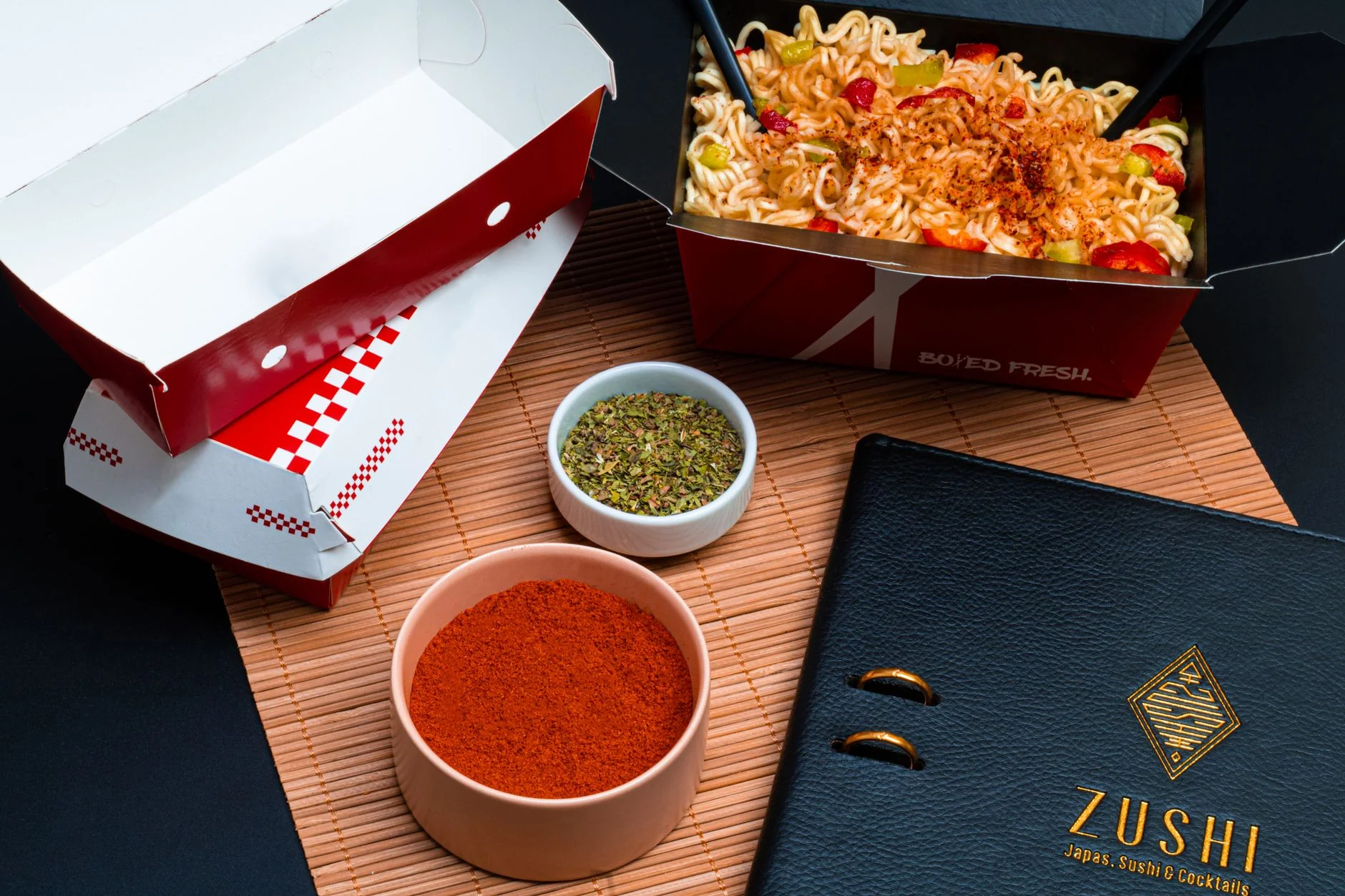
Indian restaurants in Malaysia face one of the most complex Deepavali packaging challenges in the F&B sector. CSK STAR Packaging — serving 4,000+ F&B businesses across KL and Selangor with same-day delivery from Kepong and Kuchai Lama — sees some of its highest single-month order volumes from Indian restaurants in October. Biriyani containers start from RM 0.35/unit; banana leaf alternative plates from RM 0.45/unit; Deepavali sweet boxes from RM 0.80/unit.
Beyond standard takeaway, Indian restaurants during Deepavali handle bulk biriyani catering, banana leaf–style presentation for open houses, individual portion orders for corporate events, and sweet boxes for murukku and laddu gifting — all at the same time, often in the same week. The operators who manage this smoothly order early, stock the right containers, and don’t improvise when demand is at peak. This guide covers exactly what you need and when to order it.
Order deadline: 7 October 2026. Deepavali is 20 October 2026. Popular sizes sell out by mid-October. Place your pre-Deepavali stock order before 7 October to guarantee full allocation.
Why Deepavali Packaging for Indian Restaurants Is Different From Other F&B Businesses
Most F&B businesses face one packaging peak during Deepavali: either open house catering or gift packaging. Indian restaurants face four simultaneously:
- Bulk catering orders — Biriyani, fish curry, and full spread sets for corporate events, condominium open houses, and large family gatherings
- Individual takeaway surge — Walk-in and GrabFood orders spike as Malaysian families order from Indian restaurants for multi-racial open houses
- Sweet and kuih gifting — Murukku, laddu, gulab jamun, and Deepavali cookies packaged as gifts for colleagues, neighbours, and clients
- Banana leaf experience packaging — Restaurants offering banana leaf rice in a takeaway format need containers that replicate the authentic experience
Each peak requires a different packaging solution. Getting one wrong means leaks, poor presentation, or products that don’t travel safely to the customer. The sections below address each one in order.
Biriyani Container Guide: What Actually Works
Biriyani is the number one catering request for Indian restaurants during Deepavali. The challenge: it needs to hold heat, not leak oil or moisture, survive delivery, and look presentable at the serving table.
| Portion Size | Recommended Container | Lid Type | Price Range (per unit) | Best For |
|---|---|---|---|---|
| Single portion (1 pax) | PP clamshell 9” large | Snap lock | RM 0.35–0.60 | GrabFood, individual takeaway |
| Double portion (2 pax) | PP rectangular container 1500ml | Flat snap lid | RM 0.45–0.70 | Family packs, open house orders |
| Catering tray (8–10 pax) | Aluminium foil tray (full size) + foil lid | Press seal | RM 0.80–1.50 | Corporate catering, buffet setup |
| Premium serving (5–6 pax) | Deep rectangular aluminium with dome lid | Dome lid | RM 1.20–2.00 | High-end catering, hotel deliveries |
The leak problem: Biriyani has a higher moisture and oil content than most Malaysian dishes. Standard thin-wall PP containers fail at the lid seal when stacked or transported in Lalamove bags. Before committing to a bulk order, test your chosen container by filling with water and cooking oil, then inverting it for 30 seconds. If it leaks at the seal — reject it.
The presentation problem: At open houses, your container sits on a serving table next to other dishes. A warped black PP clamshell next to a competitor’s aluminium tray looks different — and not in your favour. For premium catering jobs (RM 50+/pax), invest in aluminium trays with foil lids. They hold heat longer, look professional, and don’t carry the low-end takeaway association.
For more on how to structure your full Deepavali catering packaging order, including aluminium tray quantities and lead time guidance, see our Deepavali catering packaging guide.
Banana Leaf Alternatives: The Practical Options
Real banana leaves are impractical at scale. They require daily sourcing, have a 6–8 hour shelf life once cut, and cannot be stacked or stored in advance. For Deepavali season when you are handling 3–5× your normal volume, real banana leaves create a logistics problem you don’t need.
The alternatives that actually work for Indian restaurant operations:
1. Bagasse (Sugarcane Fibre) Plates — Best Overall Made from compressed sugarcane pulp, bagasse plates hold oil and curry without seeping through. They are compostable (not recyclable — important for your open house communication to customers), and available in round or rectangular shapes. Round bagasse plates in 10”–12” sizes approximate the banana leaf format well.
- Price: RM 0.45–0.90 per plate depending on size and MOQ
- Limitation: cannot be heated in a microwave once food is plated
2. Palm Leaf Plates — Premium Option Made from dried fallen areca palm leaves — zero chemicals, fully natural. Texture and colour come closest to real banana leaf. They hold heat well and are fully compostable with no industrial processing required.
- Price: RM 1.20–2.50 per plate — suited for premium catering events and corporate orders
- MOQ typically higher; order 3–4 weeks in advance
3. Green PP Plates with Leaf Texture — Budget Reusable Option Reusable, dishwasher safe, stackable, and long-lasting. Not authentic but practical for catering setups where plates are collected after the event.
- Price: RM 0.80–1.50 per plate; reuse across multiple events reduces per-event cost significantly
- Best for: corporate caterers and regular open house operators who collect equipment after events
What does not work: Plain paper plates for Indian food. The oil from curry and the moisture from rice causes paper plates to soften and collapse within 15 minutes. Never use standard paper plates for banana leaf rice, curry, or biriyani service. It creates a mess and reflects poorly on your food quality.
Individual Portion Packaging: Open House and Corporate Orders
Individual portion packaging is the highest-volume need for Deepavali catering. A condominium open house for 200 guests needs 200 correctly portioned, sealed, individual sets — each one able to hold for 2–3 hours without quality loss.
The standard individual portion kit for Indian restaurants:
| Component | Container | Size | Price per Unit |
|---|---|---|---|
| Main rice / biriyani | PP round container, snap lid | 750ml–1000ml | RM 0.35–0.55 |
| Side dish 1 (curry) | PP round container, tight lid | 300ml–500ml | RM 0.25–0.40 |
| Side dish 2 (veg / dhal) | PP round container, tight lid | 200ml–350ml | RM 0.20–0.35 |
| Papadum / condiment | Small PP round or flat compartment | 100ml–150ml | RM 0.15–0.25 |
| Full meal bag | Handled paper bag (reinforced base) | Medium–large | RM 0.45–0.80 |
Total cost per individual portion kit (materials only): RM 1.40–2.35 depending on number of sides and bag type.
Operational tips for high-volume portion orders:
Use matching containers throughout. Same brand, same colour. A mismatched set looks unintentional and unprofessional when presented as a catering set.
Pre-label containers before filling. Sticker labels printed in advance with dish name, business name, and date save significant time during high-volume packing. This is especially important when you’re assembling 100+ identical portions at speed.
Order 2× your expected event volume in containers — overstocking is always cheaper than calling a catering customer to say you’re short on the morning of their event.
Handled paper bags must be reinforced base type. Standard paper bags tear under the weight of 3–4 filled PP containers plus rice. Look for bags rated for 2kg+ load capacity.
Sweet and Mithai Packaging: Murukku, Laddu, and Deepavali Cookies
Sweet gifting is one of the fastest-growing Deepavali revenue opportunities for Indian restaurants. Operators that add a Deepavali gift set — murukku + laddu + cookies — can command RM 35–80 per set, with packaging material costs of RM 2–5 if sourced correctly.
By sweet type:
Murukku and crunchy snacks: Need a container that prevents breakage and absorbs minimal moisture. The best options:
- Clear PET window boxes with rigid walls: customers see the product, walls prevent crushing — RM 0.60–1.80 per box
- Stand-up pouches with zip lock: lower cost, suitable for informal gifting and pre-orders — RM 0.30–0.80 per pouch
- Important: the container must have a tight seal to preserve crunch. Loose-fitting lids cause murukku to absorb ambient humidity within 24 hours.
Laddu, barfi, and soft sweets: Need an inner tray to hold each piece separately — prevents sticking and crushing in transit.
- Rectangular PET boxes with individual tray inserts (chocolate box format): premium look, RM 1.50–3.00 per box
- Plastic mithai tray + acetate lid: budget version that still looks intentional — RM 0.80–1.50 per tray
Full Deepavali gift set (mixed assortment):
- Paper gift box with window: kraft or white, RM 2.00–5.00 depending on size
- Critical: food-safe inner lining or tray insert is required — the outer box must not directly contact oil-bearing items
- Ribbon, tissue paper, or decorative shredded paper inside adds RM 0.20–0.50 and elevates perceived value significantly
CSK insight: Based on what we observe from Indian restaurant customers preparing Deepavali gift sets, the most common packaging mistake is underestimating box size. Customers receiving a gift box that looks sparse inside feel shortchanged — even if the quantity is correct. Fill boxes to 80–90% visible volume. It reads as generous without requiring more product.
Deepavali Packaging Order Checklist for Indian Restaurants
Use this checklist 6 weeks before Deepavali — order deadline is 7 October 2026:
- Biriyani containers — PP clamshell 9” or aluminium catering trays, qty = 2× expected catering orders
- Side dish containers — PP round 200ml, 350ml, 500ml; qty = 3 units per expected catering portion
- Handled paper bags (reinforced base) — qty = total catering portions + 20% buffer
- Banana leaf alternative plates — bagasse or palm leaf for banana leaf rice service
- Murukku / snack boxes — clear PET window boxes, qty = gift set target
- Mithai trays + lids — for laddu, barfi, soft sweets; qty per gift set
- Paper gift boxes — full set presentation with inner food-safe tray
- Sticker labels — pre-printed with dish name and business branding
Order all items before 7 October. If you’re combining catering and gift set packaging in one order, ask CSK to consolidate — we can often batch into one same-day delivery.
Where to Order Indian Restaurant Packaging in KL
CSK STAR Packaging carries biriyani containers, aluminium trays, PP portion containers, handled bags, banana leaf alternative plates, and Deepavali gift boxes — from two Klang Valley warehouses:
- Kepong warehouse — same-day delivery across northern KL, Kepong, Batu Caves, Sri Damansara, Sentul
- Kuchai Lama warehouse — same-day delivery across southern KL, Puchong, Cheras, Bangsar, OUG, Bukit Jalil
Free delivery applies on orders of RM 350+ (within 10km) or RM 500+ (10–15km). Walk-in welcome at both locations with no minimum purchase.
For the full food packaging decision guide — materials, MOQ, and food safety considerations for Malaysian F&B businesses — see our Complete Guide to Food Packaging for Malaysian F&B Businesses.
Ready to confirm your Deepavali stock order? WhatsApp us directly with your estimated quantities and we’ll advise on the right containers and total cost before you commit.
FAQ: Indian Restaurant Packaging for Deepavali
What containers are best for biriyani takeaway in Malaysia? For single portions, 9-inch PP clamshell containers (RM 0.35–0.60/unit) work best — they lock securely and hold heat during delivery. For bulk catering (8–10 pax), rectangular aluminium foil trays with foil lids are heat-stable, stackable, and presentation-ready at serving tables.
What is a good banana leaf alternative for Indian restaurant packaging? Bagasse (sugarcane fibre) plates are the best practical alternative — they hold oil and curry without seeping, are compostable, and come in round shapes that approximate banana leaf presentation. For premium events, palm leaf plates (RM 1.20–2.50/unit) provide the closest natural texture and appearance.
How much packaging does an Indian restaurant need for Deepavali season? Based on CSK customer patterns, Indian restaurants see a 2–3× surge in catering orders around Deepavali. Stock at minimum 2× your standard monthly quantity of clamshell containers, aluminium trays, and portion containers. Order before 7 October — popular sizes are typically allocated out by 13 October.
Where can I buy Deepavali sweet boxes in KL? CSK STAR Packaging carries clear PET window boxes, plastic mithai trays, and paper gift boxes suitable for murukku, laddu, and Deepavali cookies. Available for same-day delivery across KL and Selangor from Kepong and Kuchai Lama warehouses.
What individual portion packaging works for Deepavali open house orders? For open house portion sets: 750ml–1000ml PP round containers for rice, 300ml–500ml PP containers for curry sides, and reinforced handled paper bags for the full set. Total material cost per portion: RM 1.40–2.35 depending on number of sides and bag type.
Ready to upgrade your F&B packaging?
WhatsApp Us Now →