
Reliable Food Packaging Supplier Malaysia: Why Stock-Outs Happen and How to Prevent Them
Stock-outs are the #1 reason F&B businesses switch packaging suppliers. The 5-step system used by 4,000+ Malaysian operators to prevent it.
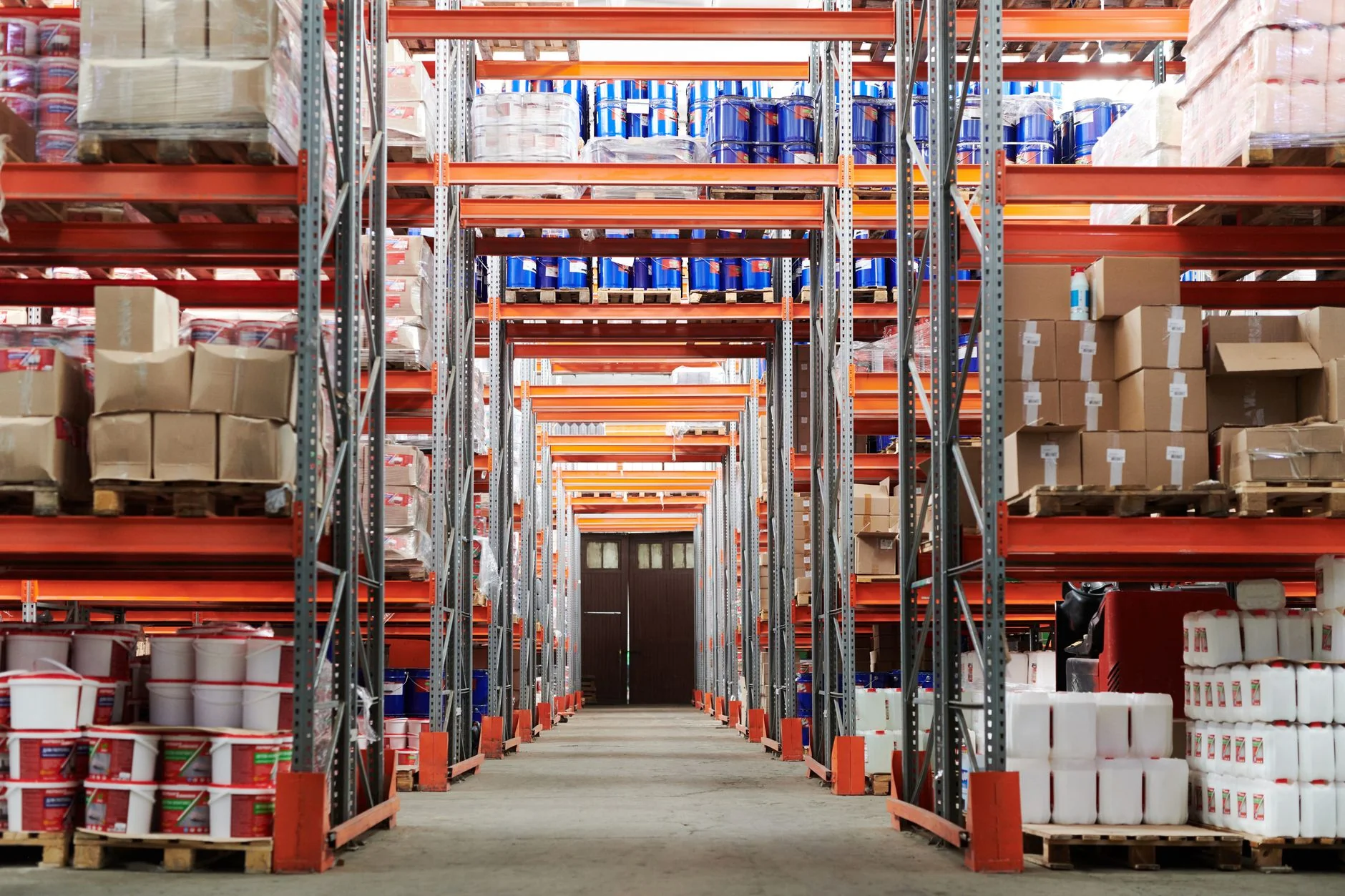
Based on 4,000+ F&B businesses in Malaysia, stock-outs are the single most common reason operators switch packaging suppliers — not price, not product quality, not delivery fees. Their supplier ran out at the worst possible moment: Friday dinner rush, the first week of Ramadan, or a 200-pax catering order two days out. The problem is almost never random bad luck. It is a predictable failure that happens when both the operator and the supplier manage stock reactively instead of proactively. This post explains why it keeps happening, what it actually costs your business, and the five-step system that reliable F&B operators use to make sure it never happens to them. For a full breakdown of packaging types and pricing, read the Complete Guide to Food Packaging for Malaysian F&B Businesses.
Why Malaysian F&B Packaging Stock-Outs Happen More Than You Think
The typical stock-out sequence goes like this: business is running well, orders are stable, you reorder packaging when the box is nearly empty. Then one week — for no obvious reason — usage spikes. A corporate lunch booking you forgot about. A food reviewer posts about your place and orders go up 40% over the weekend. Your usual supplier placed their factory order three weeks ago and won’t get replenishment until next Thursday.
You’re out of clamshell containers on a Saturday afternoon.
There are three structural reasons this is so common in Malaysia:
1. Most suppliers don’t hold deep safety stock. Smaller packaging distributors in KL order from factories or importers and pass stock through quickly. They are not warehousing three months of inventory. When demand spikes across multiple customers simultaneously — which it does every Ramadan, every CNY, every school holiday — they run out because everyone restocks at once.
2. F&B operators order too late. The most common reorder trigger is “I’m almost out.” At that point, you need stock today or tomorrow. If your supplier needs 2–3 days to deliver, you’re already in trouble. There’s no buffer for a factory delay, a wrong delivery, or a product substitution that doesn’t fit your heat-sealer machine.
3. Seasonal demand is consistently underestimated. Ramadan brings roughly 50% more orders from CSK’s catering and restaurant customers. Chinese New Year brings 150% above baseline for gift packaging and cookie boxes. These numbers are predictable every year — but most operators don’t build them into their ordering plan until they’ve been caught out at least once.
What Running Out Actually Costs Your Business
Most operators think of a packaging stock-out as an inconvenience. The real cost is higher:
Lost revenue. A hawker stall that can’t tapau food during peak hours loses those orders entirely. A cloud kitchen with no clamshell containers cannot fulfil GrabFood orders — and each rejected order affects your platform acceptance rate.
Emergency sourcing costs. Buying single-pack containers from a nearby 99 Speedmart or convenience supplier costs 3–5× the wholesale price. A hawker stall that normally spends RM 0.22/unit on PP lunch boxes pays RM 0.70–1.00 at retail. At 50 boxes/day, that’s an extra RM 24–39 per day — on top of the stress of sourcing mid-service.
Customer experience damage. If you switch container mid-delivery because you ran out of your normal product, the food presentation changes. Customers notice inconsistency. GrabFood reviews that mention “different packaging than usual” or “leaking container” trace back to substitutions made under pressure.
Staff time. Someone has to spend 1–2 hours sourcing emergency stock, coordinating with suppliers, or driving to pick it up. That is time not spent on operations.
A single serious stock-out typically costs more than 2–3 months of the “savings” from buying from a cheaper supplier.
What 4,000+ F&B Businesses Do Differently — 5-Step Stock System
The operators who never run out of packaging are not doing anything complicated. They have a simple system and they follow it consistently.
Step 1: Know Your Daily Usage Per SKU
For each packaging product you use, calculate your daily average usage. Not a rough guess — an actual number.
Example:
- PP lunch boxes 750ml: 80 pcs/day on weekdays, 120 pcs/day on weekends → weekly average ~540 pcs
- Plastic bags (small): ~60 pcs/day → weekly average ~420 pcs
If you don’t track this, pull your last 3 invoices and divide total units by the number of days covered.
Step 2: Set a Reorder Point (Not an “I’m Almost Out” Point)
Your reorder point is not when you’re running low. It is when you have enough stock left to cover your lead time plus a buffer.
Formula:
Reorder Point = (Daily Usage × Lead Time Days) + Buffer StockFor a hawker stall using 80 PP boxes/day with a 2-day delivery lead time and a 3-day buffer:
Reorder Point = (80 × 2) + (80 × 3) = 160 + 240 = 400 pcsWhen your stock drops to 400 pcs, you order. Not when you have 50 left.
Step 3: Pre-Order for Peak Seasons — 4 to 6 Weeks Out
| Season | Typical Uplift | Pre-Order Window |
|---|---|---|
| Ramadan | ~50% above baseline | 6 weeks before start |
| Chinese New Year | ~150% above baseline | 8 weeks before CNY eve |
| Hari Raya Aidilfitri | ~120% above baseline | 6 weeks before |
| School holidays | ~20% above baseline | 2 weeks before |
| Merdeka / Malaysia Day events | Event-specific | 3–4 weeks before |
During peak pre-order windows, confirm your allocation with your supplier — not just “do you have stock” but “can you hold X cartons for me for delivery on [date].”
Step 4: Consolidate to One or Two Suppliers
Ordering from five different suppliers to chase the lowest unit price seems efficient. In practice, it fragments your ordering, increases admin, and means no single supplier treats your account as a priority when stock is tight.
Two suppliers — one primary, one backup — is the practical optimum for most F&B businesses. Your primary supplier gets 90% of your volume. Your backup supplier has confirmed stock and can cover you within 24 hours if your primary fails.
Step 5: Audit Your Supplier’s Reliability Annually
Your supplier situation in 2026 is not guaranteed to be the same in 2027. Suppliers change: warehousing capacity shrinks, they lose a key manufacturer, their delivery team has turnover. A quick annual check:
- Did they run out of any product I needed in the past 12 months?
- Did they give me advance warning before any price changes?
- Can they still deliver same-day to my area?
- Do they respond to WhatsApp within working hours?
If two or more answers are “no,” it is time to evaluate alternatives — before you’re in an emergency.
How to Evaluate a New Supplier Before You Depend on Them
Switching packaging suppliers mid-crisis is the worst time to do it. Evaluate new suppliers before you need them:
-
Place a trial order — order 1–2 cartons of your most-used SKU. Test the actual product against your current packaging: does the container size match your portions? Does the lid seal on your machine?
-
Test delivery speed — order on a Tuesday afternoon and see when it arrives. Speed during a non-urgent order reflects what you’ll get when you actually need it fast.
-
Ask about stock depth — how many cartons of that SKU do they hold on-hand? A supplier who stocks 50 cartons handles your peak orders differently than one who stocks 5.
-
Check communication responsiveness — WhatsApp them at 7pm and see if they respond before the next morning.
-
Confirm they cover your area for same-day delivery — not all KL/Selangor suppliers can reach every postcode same-day. CSK delivers same-day within KL and Selangor from warehouses in Kepong and Kuchai Lama.
FAQ
Why does my packaging supplier always run out during peak season? Most Malaysian packaging distributors do not hold large safety stock. When Ramadan, CNY, or school holidays hit, every F&B customer reorders simultaneously and suppliers deplete quickly. The fix is to pre-order 4–6 weeks before peak season and confirm a stock allocation with your supplier — not to wait and hope stock is available when you need it.
What is the best way to prevent packaging stock-outs in an F&B business? Set a reorder point based on your daily usage and your supplier’s delivery lead time. The formula: (daily usage × lead time in days) + buffer stock (3–5 days). When stock hits that number, order — regardless of how much time has passed since the last order.
How do I find a reliable food packaging supplier in Malaysia? Look for a supplier with a local warehouse (not drop-shipping from a factory), same-day or next-day delivery to your area, consistent stock across peak seasons, and clear communication. CSK STAR Packaging PLT serves 4,000+ F&B businesses across KL and Selangor with same-day delivery from Kepong and Kuchai Lama.
Is it better to have one packaging supplier or multiple? One primary supplier for 90% of your volume, one backup supplier you have tested and can activate within 24 hours. Spreading volume across five suppliers for price savings creates fragmentation without real backup reliability.
How much notice should I give my packaging supplier before a big event or peak season? 4–6 weeks minimum for Ramadan and Hari Raya. 6–8 weeks for CNY. For ad-hoc catering events of 200 pax or more, give at least 2 weeks’ notice and confirm the specific SKUs and quantities — do not assume availability.
WhatsApp CSK — Same-Day Delivery Across KL and Selangor
CSK STAR Packaging PLT delivers to 4,000+ F&B businesses across KL and Selangor. Same-day delivery from warehouses in Kepong and Kuchai Lama. Minimum order RM 100. No complex registration — just WhatsApp and we confirm stock and delivery time.
👉 WhatsApp CSK now — tell us what you need and which area you’re in.
Jayson Phang is the co-founder of CSK STAR Packaging PLT. Since 2022, CSK has served 4,000+ F&B businesses across Malaysia with same-day packaging delivery from Kepong and Kuchai Lama.
Ready to upgrade your F&B packaging?
WhatsApp Us Now →